
PPE for Bloodborne Pathogens
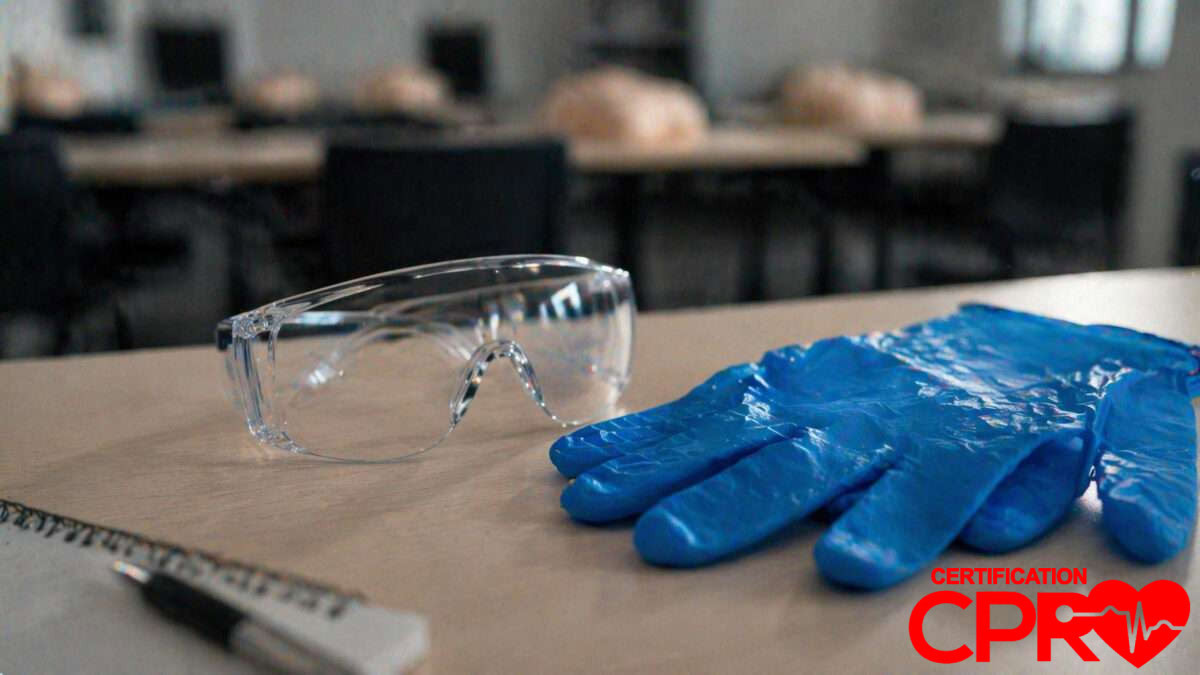
There is a version of personal protective equipment that exists mainly as a box-checking exercise. Gloves are put on because the protocol says to put on gloves. Gowns are worn sometimes and not others depending on how busy the unit is. The goggles stay in a drawer unless something looks particularly messy. This is PPE as theater, and it is how healthcare workers get exposed to pathogens they thought they were protected against.
The right way to think about PPE against bloodborne pathogens is as a system, not a checklist. That applies whether the work is happening in a Jacksonville hospital, a dental operatory, a tattoo studio, a med spa, or a school health room. The setting changes, but the barrier logic does not. Each piece serves a specific barrier function, and those functions are only realized when the equipment is selected correctly, worn correctly, and removed correctly. Donning and doffing, the putting on and taking off, carry as much risk as the procedures themselves when done carelessly. A gown removed in a way that drags the contaminated outer surface across your face or forearms has not protected you from much.
This article covers the PPE categories used for bloodborne pathogen protection, what each one is designed to do, how to use each effectively, and the piece most workers overlook: the correct sequence for removing contaminated equipment so that a task you survived cleanly does not become an exposure incident on the way out the door.
Gloves
Gloves are the most universal piece of PPE in any setting where blood or potentially infectious materials may be present. They are also the most often misused. The purpose of gloves is to prevent blood and infectious material from making contact with your hands, particularly with any breaks in the skin, cuts, abrasions, or patches of dermatitis that would compromise the skin’s natural barrier function. Intact, healthy skin is an effective barrier against bloodborne pathogen transmission. The problem is that hands rarely stay perfectly intact, and you may not always know where you have a small cut or raw area.
Upcoming CPR Class Dates and Times
Nitrile gloves are the standard recommendation for most bloodborne pathogen situations. Latex gloves provide equivalent barrier protection but carry an allergy risk for both the worker and the patient. Vinyl gloves are less protective against bloodborne pathogens and are generally not recommended for procedures where blood contact is anticipated. Regardless of material, gloves should fit the hand well, too loose and they lose dexterity; too tight and they may tear more easily during use.
One glove should always go on each hand, not just the dominant hand or the hand doing the procedure. Both hands are in the environment. Change gloves between patients, and change them any time they become visibly contaminated or torn during a procedure. Do not wash and reuse disposable gloves. They are designed for single use, and washing does not restore the barrier integrity that begins to degrade the moment the glove is used.
Gowns and Protective Clothing
The purpose of a gown in a bloodborne pathogen context is to protect the skin and clothing on your arms, torso, and front of your body from blood splashes, sprays, and contact during procedures. Not every patient interaction requires a gown. Gowns are indicated when the specific task being performed carries a reasonable anticipation of blood or infectious material contacting the body surface, wound care, certain procedures, situations involving large blood volumes or splashing.
Fluid-resistant gowns provide better protection than standard fabric gowns when splashing is anticipated. For situations involving high blood volumes, a fully fluid-impermeable gown is appropriate. The back of the gown is designed to be the clean surface; the front and sleeves are the potentially contaminated surfaces. This distinction is what makes the removal sequence important.
Gowns should cover the front of the body and arms to below the knees, fasten securely at the neck and waist, and fit without leaving large gaps at the cuffs. A gown that stops at the upper thigh or has wide open wrist gaps is providing partial coverage against procedures that produce full-coverage splash. Select gown type and size with the specific task in mind, not with whatever happens to be on the nearest shelf.
Eye and Face Protection
Mucous membranes of the eyes, nose, and mouth are direct exposure pathways for bloodborne pathogens. A blood splash to the eye from a procedure that generates aerosols or spray is a reportable occupational exposure event. The eye protection most workers think of as optional is the barrier between a controlled task and an exposure incident.
Safety glasses with side shields provide minimal protection against fine aerosols and sprays but leave the nose and mouth unprotected. Goggles provide full eye protection and are appropriate for situations where aerosol or spray is a possibility. Face shields cover the full face from forehead to chin and protect eyes, nose, and mouth simultaneously, they are the appropriate choice for higher-risk procedures where spray or large-volume splashing is anticipated.
Face shields can be worn over regular eyeglasses or prescription glasses. Surgical masks worn alongside eye protection protect the mucous membranes of the mouth and nose. A surgical mask alone without eye protection is not complete face protection for bloodborne pathogen purposes, the eyes remain unprotected. In high-risk procedures, the combination of goggles or face shield plus surgical mask provides full mucous membrane coverage.
Correct Donning and Doffing Sequence
The order in which PPE goes on and comes off matters as much as whether you wear it. The donning sequence for full PPE is gown first, then mask or respirator, then eye protection, then gloves. This order ensures that each layer is in place before the next one goes over it, and that the final layer, gloves, is covering the cuffs of the gown at the wrists.
Upcoming CPR Class Dates and Times
The doffing sequence is where most exposures happen. The contaminated surfaces are the outside of the gloves, the front and sleeves of the gown, and potentially the outside of the eye protection. The sequence is designed to peel these surfaces away from your body without dragging them across clean surfaces. Start by removing gloves, grasp the outside of one glove at the wrist and peel it off, folding it inside-out, then slide a clean finger under the remaining glove and peel it off over the balled-up first glove. Both gloves come off without the clean inside of the gloves ever touching the outside contaminated surfaces.
Next comes eye protection, handled by the clean sides and back of the frame rather than the front lens. Then the gown: unfasten the ties or snaps, grasp the inside of one sleeve, roll the gown away from your body with the outside folded inward so the contaminated surface is contained. Hand hygiene after full doffing is the final and non-negotiable step regardless of how cleanly the removal went.