PPE for Bloodborne Pathogens
PPE for bloodborne pathogens is not just “wear some gloves.” It means choosing the right barrier, using it at the right time, and making it part of the larger safety system.

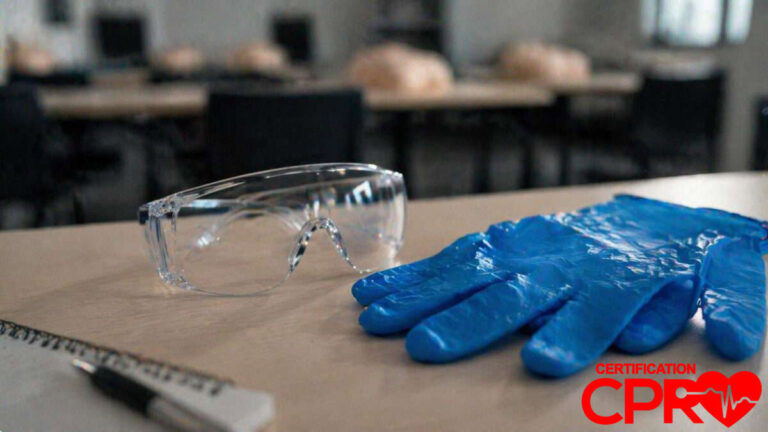
PPE for bloodborne pathogens is not just “wear some gloves.” It means choosing the right barrier, using it at the right time, and making it part of the larger safety system.
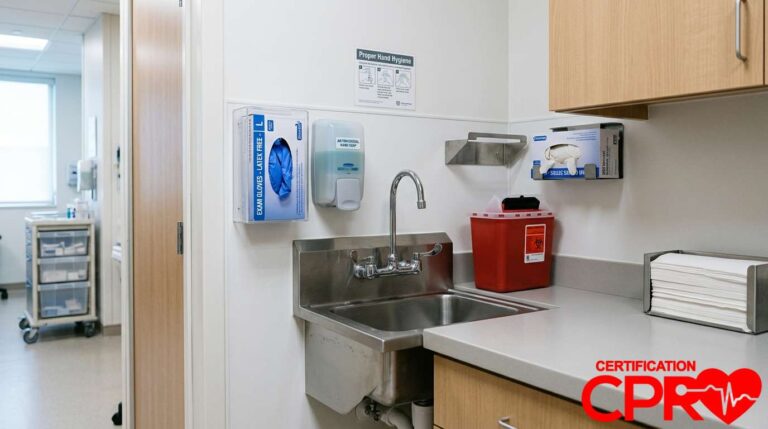
A needlestick needs a fast, calm, no-guesswork response. The immediate steps matter, reporting cannot wait, and the workplace exposure plan should take over quickly.

Bloodborne pathogens do not spread through ordinary proximity. The transmission routes, entry points, and response steps matter most after a possible workplace exposure.

A dried blood spot is not the same thing as a harmless surface. Surface survival matters because cleanup, PPE, and exposure control depend on treating dried blood with the right level of caution.
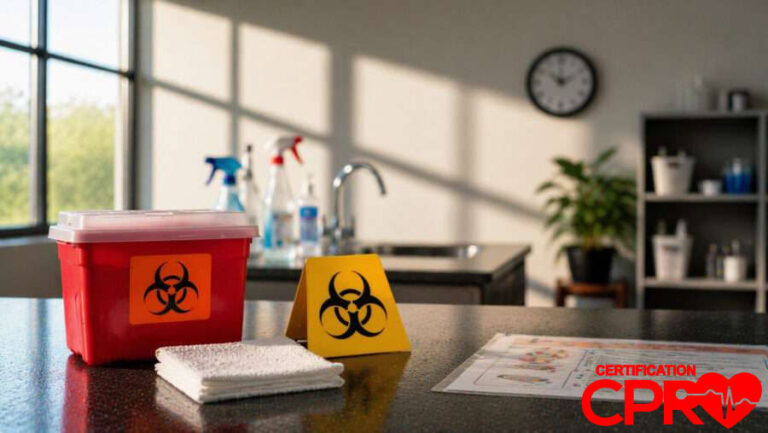
In most workplace bloodborne-pathogens training, the same three names come up over and over: hepatitis B, hepatitis C, and HIV. They matter because exposure-control plans, sharps safety, and post-exposure response are built around them.
Good bloodborne pathogens training should make exposure risk, PPE, sharps safety, cleanup steps, and reporting procedures feel clear before a real incident puts a worker on the spot.
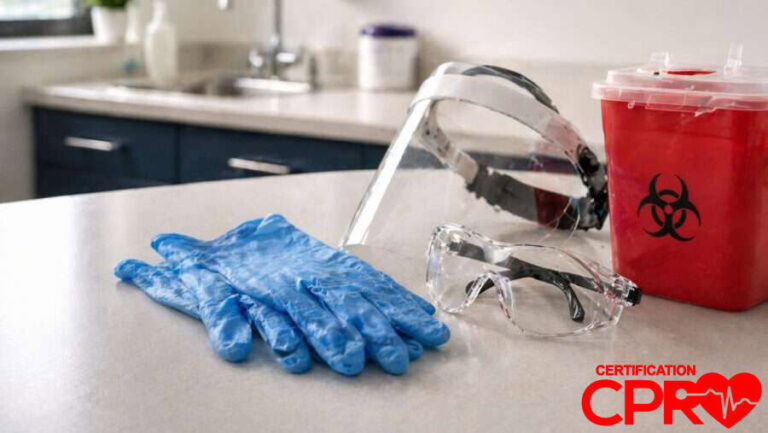
Bloodborne pathogens are infectious microorganisms in human blood that can cause disease. The term matters at work because some jobs create serious exposure risk and need training, protective steps, and a response plan.
No products in the cart.